Visual communication as research tool
Expanding & Sustaining the CAPABLE, a national Aging-in-Place Program
Using systems mapping and visual modeling as research tool to discover scaling opportunities for a national program that enables seniors to age independently in their own homes.


Project Overview
Objective
CAPABLE, an evidence based aging-in-place program operates across 65+ sites in the US. The system sustaining it — funding, workforce, knowledge currently— was too opaque. Our objective was to make this ecosystem visible to all the players and design strategies to scale it in a sustainable manner.
Approach
12+ stakeholder interviews across 4 sites, secondary research into funding pathways, and 50+ visual models to surface what was hidden: the blocks, the accelerators, and the dependencies.
Outcome
A thorough report on CAPABLE ecosystem, CAPABLE ecosystem maps, 8 opportunity areas and 4 strategic concepts + roadmap, were delivered. These would serve as a foundation for CAPABLE's next phase of strategic planning.
Context and Design Objective
What is CAPABLE?
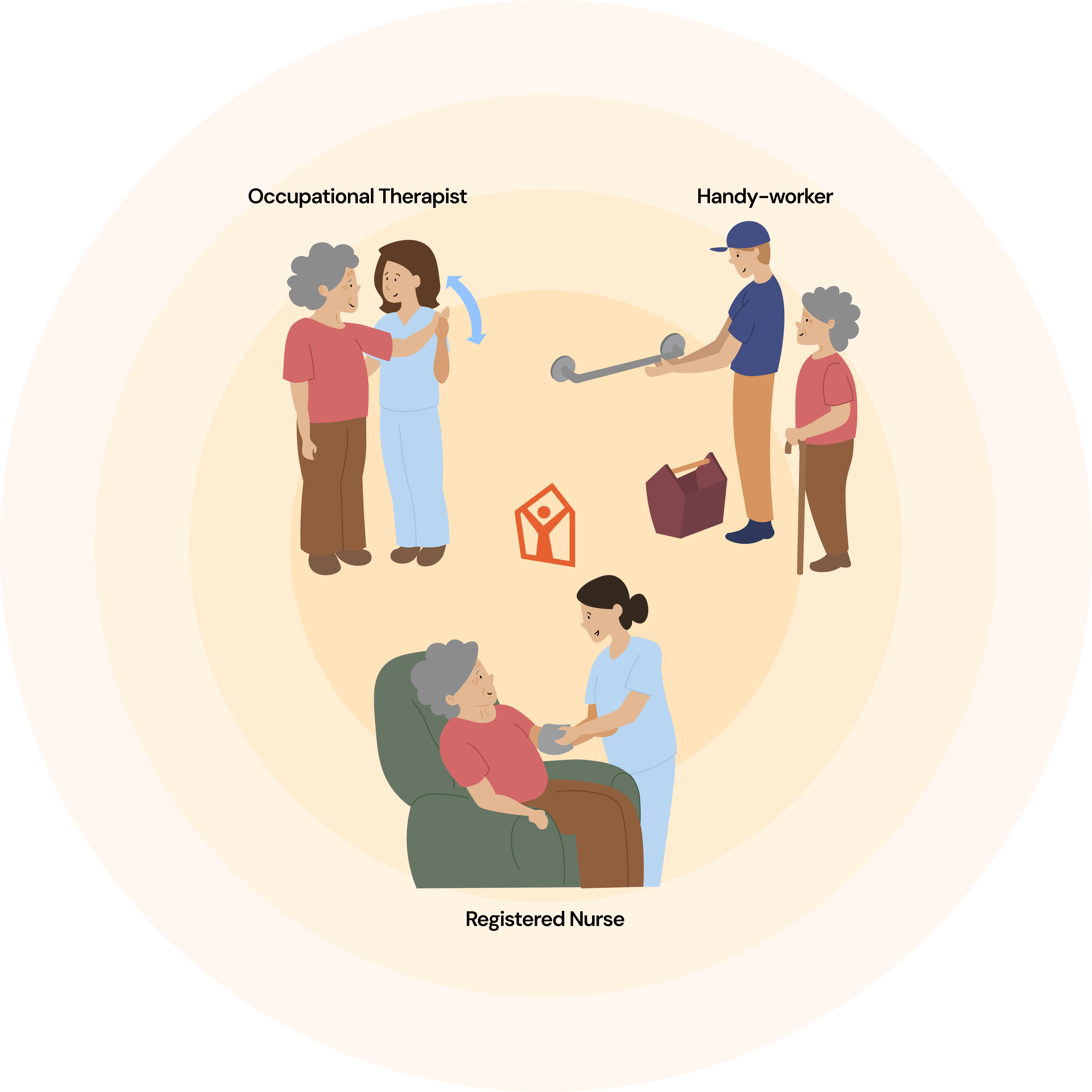
CAPABLE is a participant directed, home-based model delivered over 10 visits in 4 to 5 months. The program centers around an inter-professional team including an occupational therapist, a registered nurse, and a handy worker, who work with older adults to identify and achieve self-prioritized goals that enhance mobility, function, and quality of life.
10,000 Americans turn 65 every day for the next 15 years1
CAPABLE, an evidence based, aging-in-place program operates across 65+ sites nationally, servicing 3600+ participants
(1) CAPABLE Event Material. (n.d.). CAPABLE Overview and Impact. Johns Hopkins School of Nursing
Aging-in-place: Living independently in your own home safely and comfortably as you grow older
Making the opaque system visible to uncover the facilitators and barriers, to help CAPABLE sustainably expand and scale
Design Process Overview
Secondary Research
Primary Research
Ecosystem Mapping
Synthesis & Opp Mapping
Concept Development
On funding pathways from federal to local level
12+ interviews with subject matter experts involved with CAPABLE
Used insights from research at various levels to map the ecosystem
Synthesized findings into actionable insights by developing value webs
Developed concepts to envision CAPABLE's future and ground our ideas in real world application
Analysis
Coded interview data and cross referenced with secondary research to identify patterns, facilitators and barriers
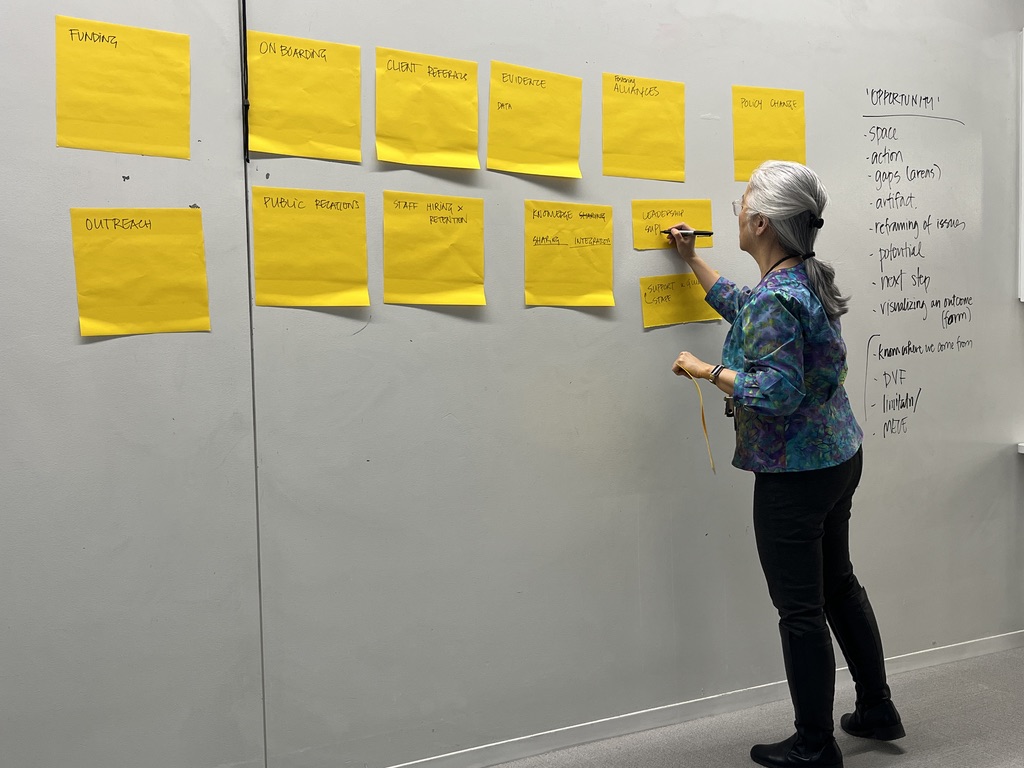
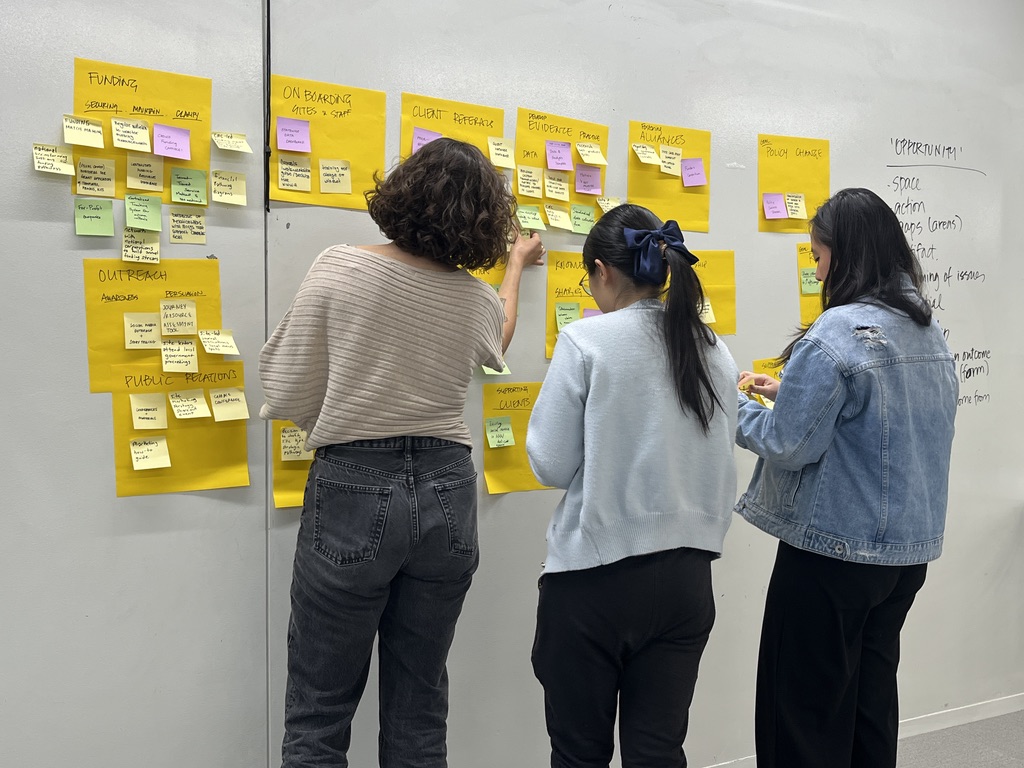
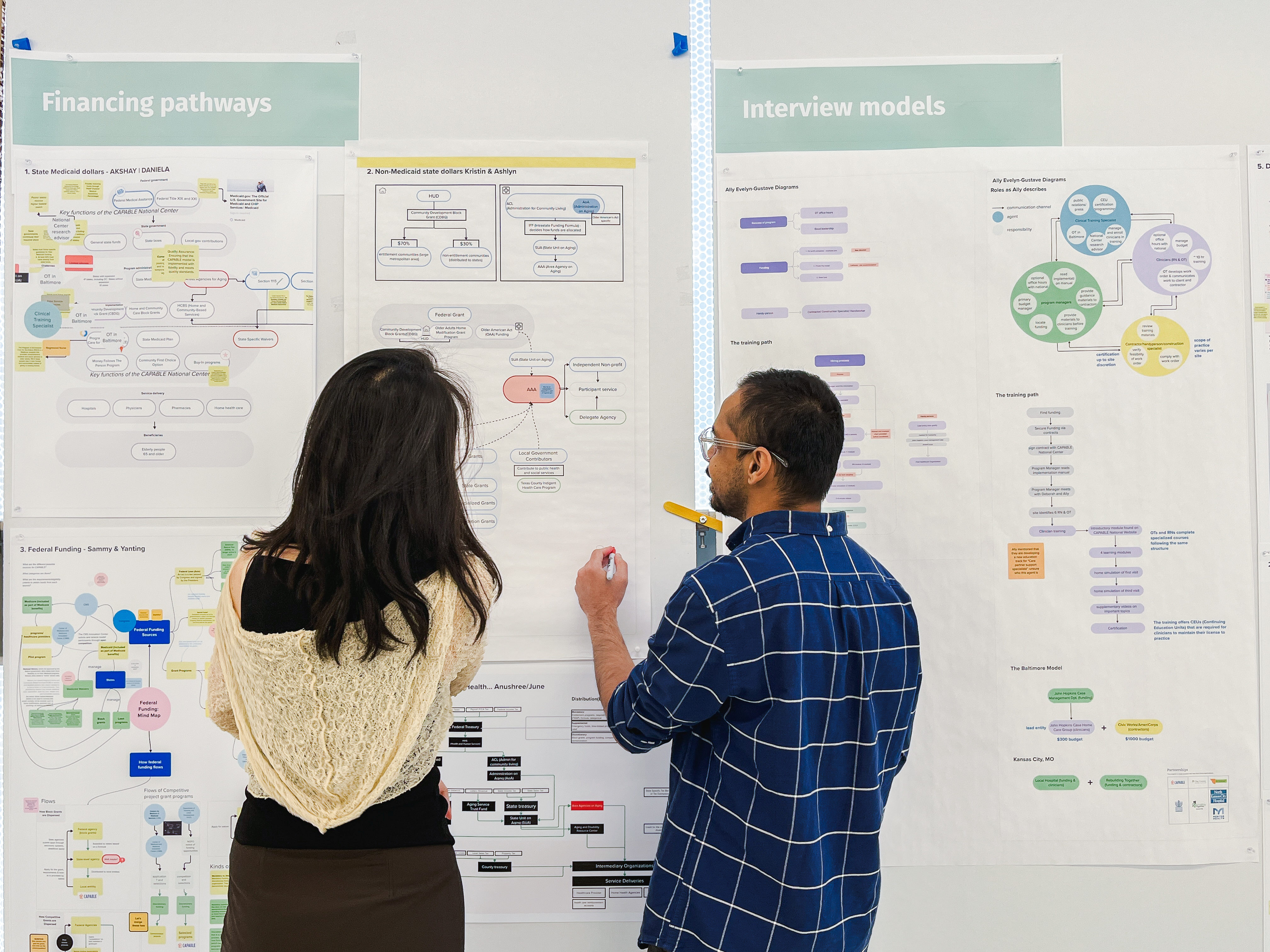
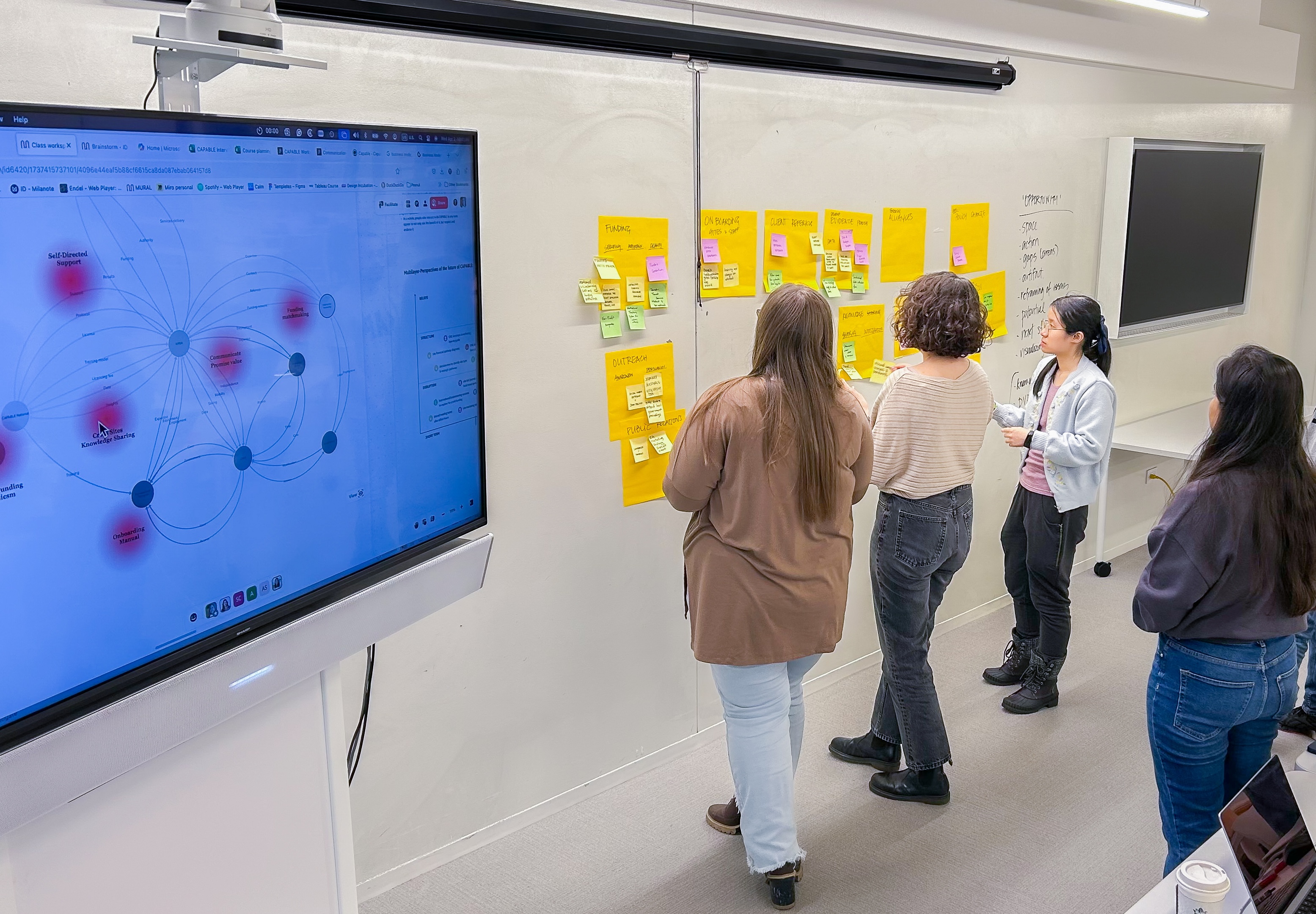
Research and Analysis Artifacts
Ecosystem Maps
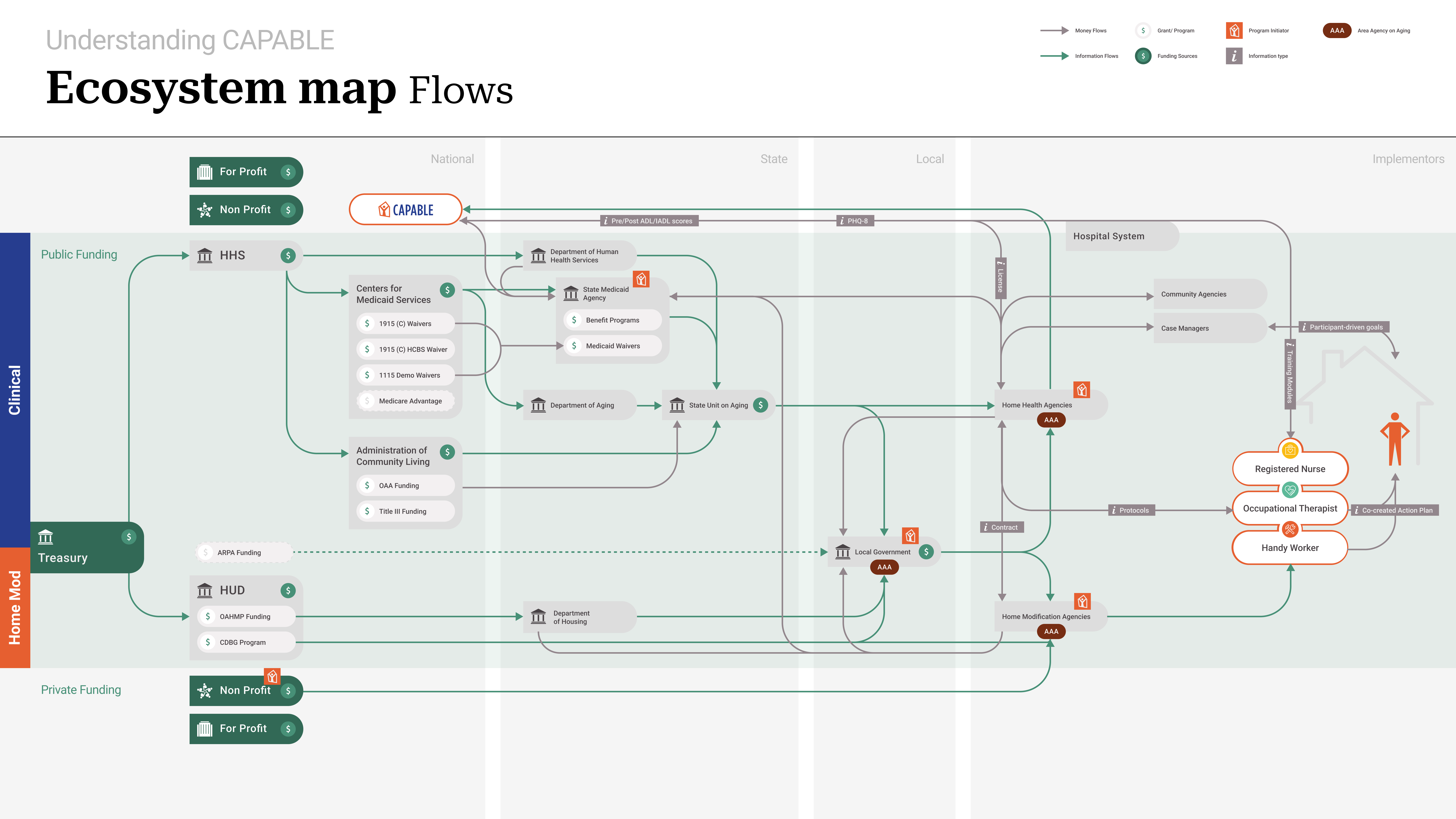
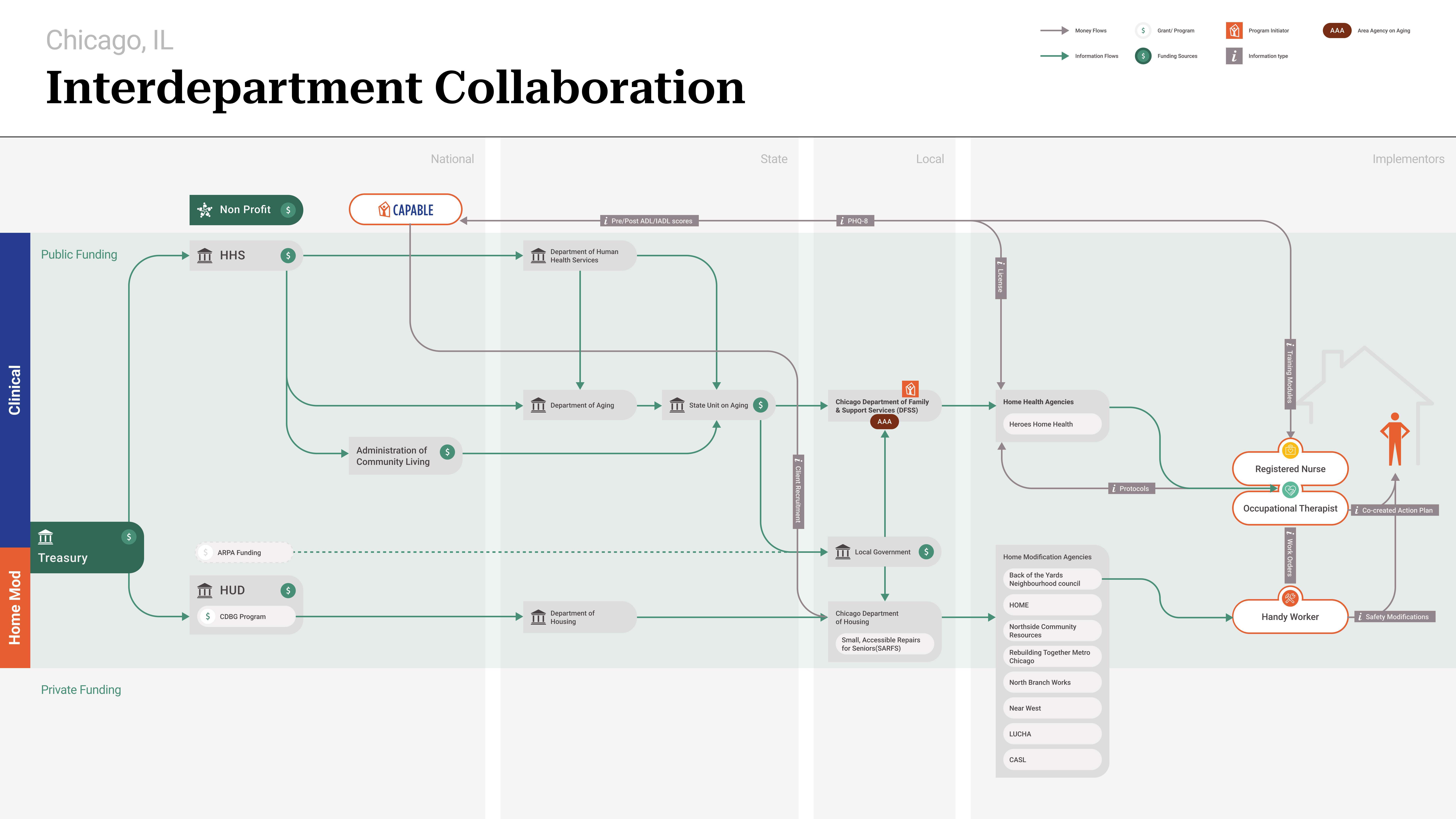
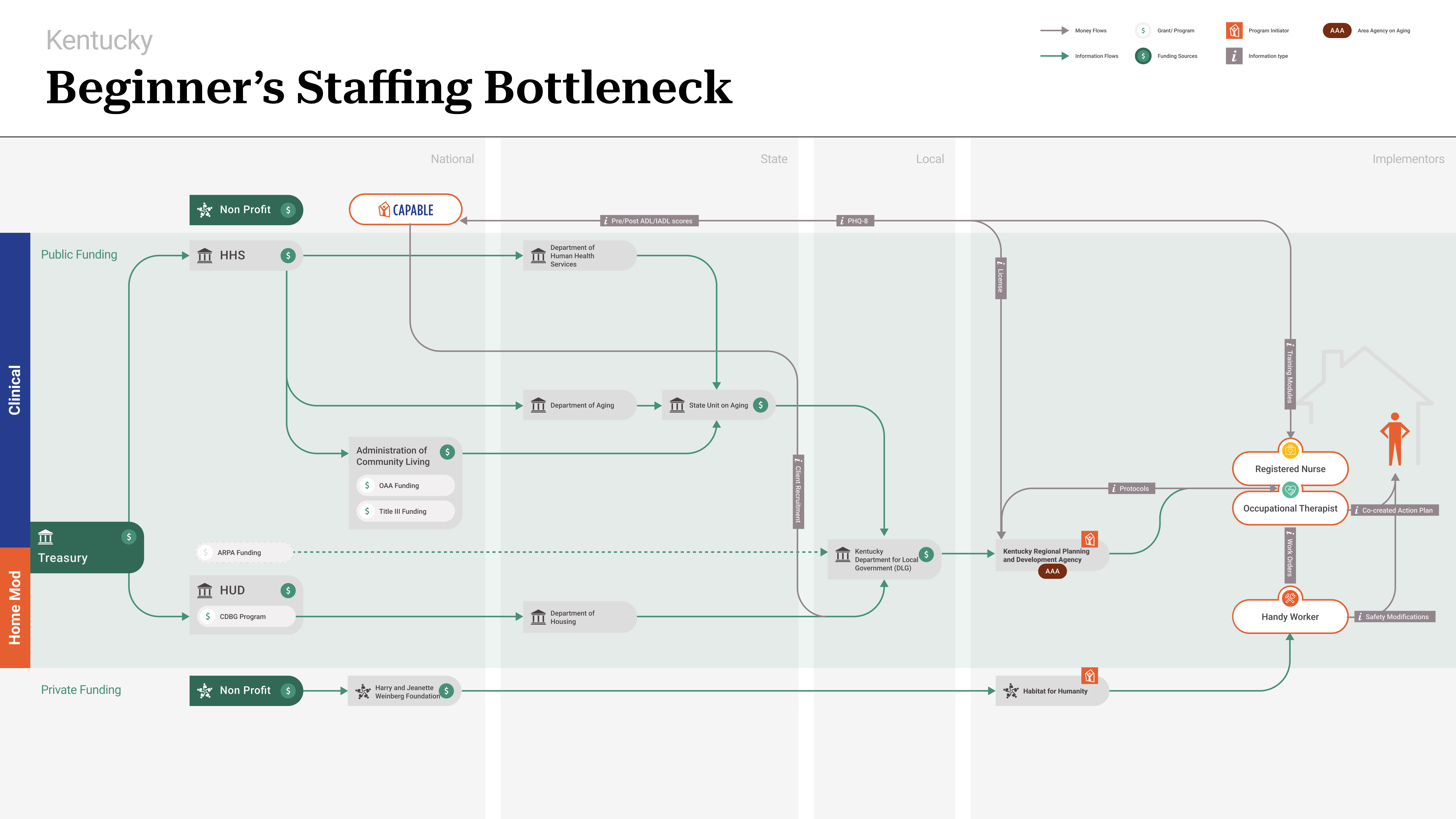
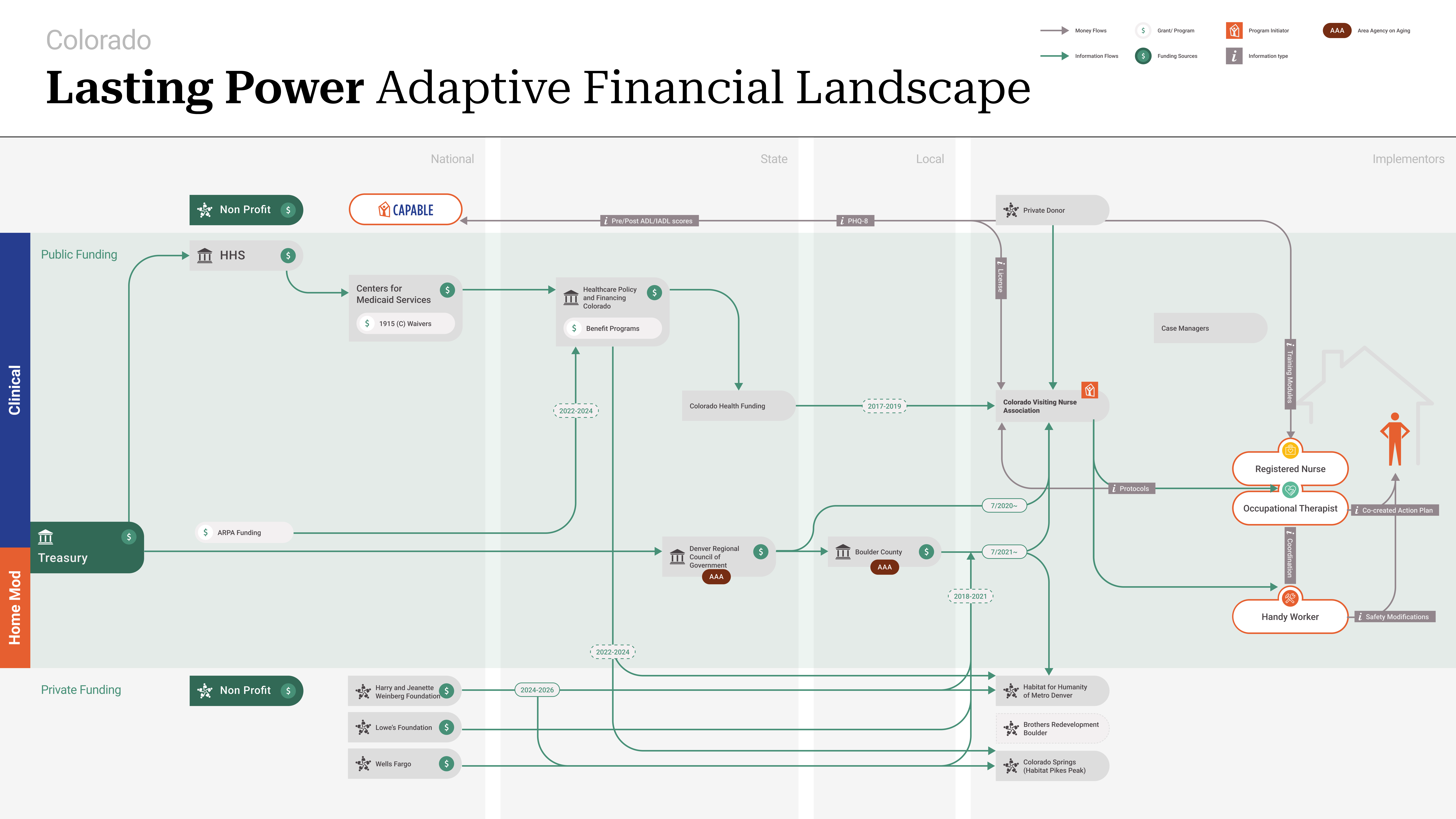
CAPABLE's implementation varies significantly across locations. We studied four CAPABLE sites in the US: Kentucky, Chicago, Boston, and Colorado, mapping their local ecosystems to uncover site and stage-specific insights. The findings from the four sites were consolidated to construct the Base Ecosystem Model.
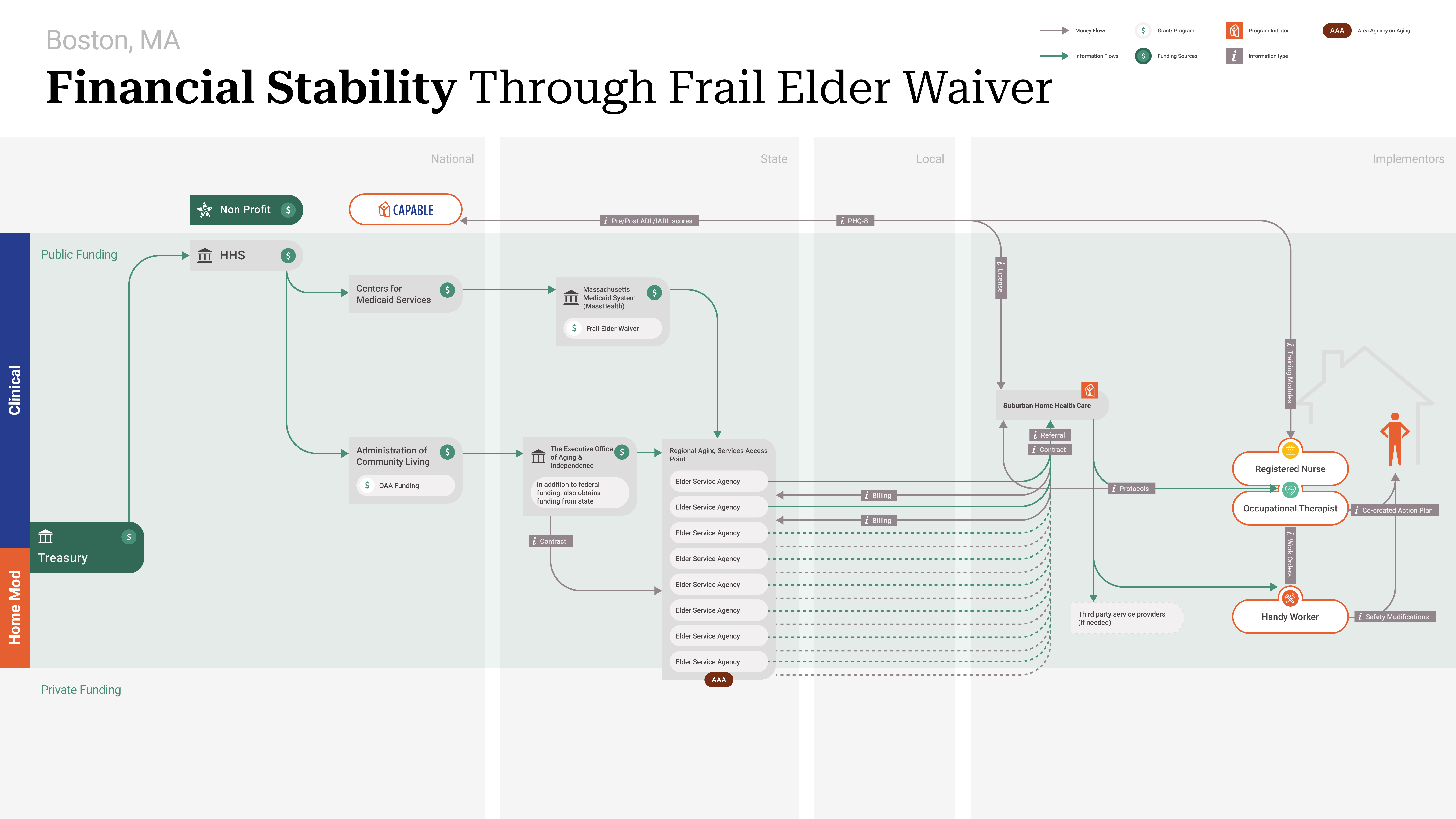
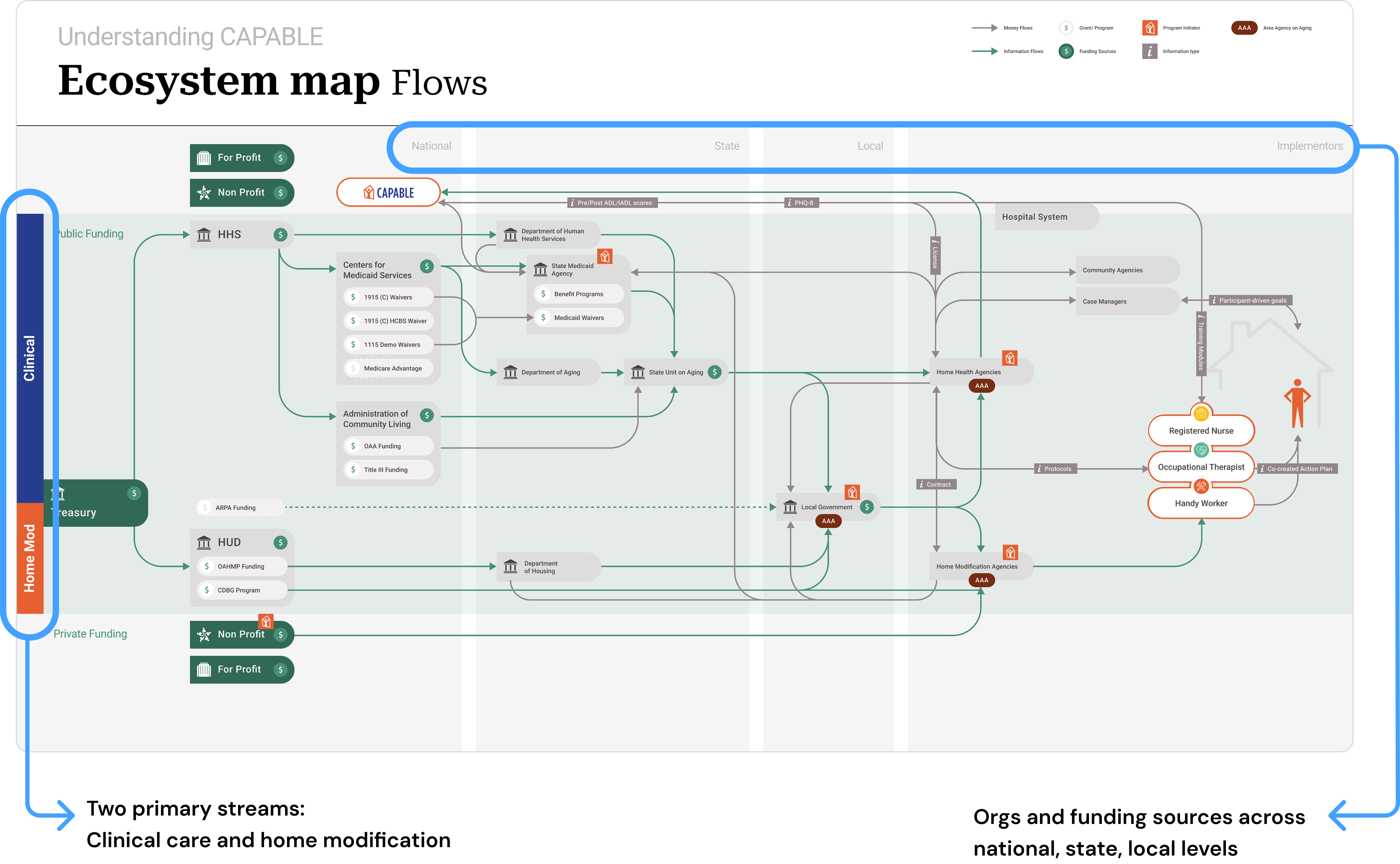
Key-learnings from ecosystem map
What the system revealed
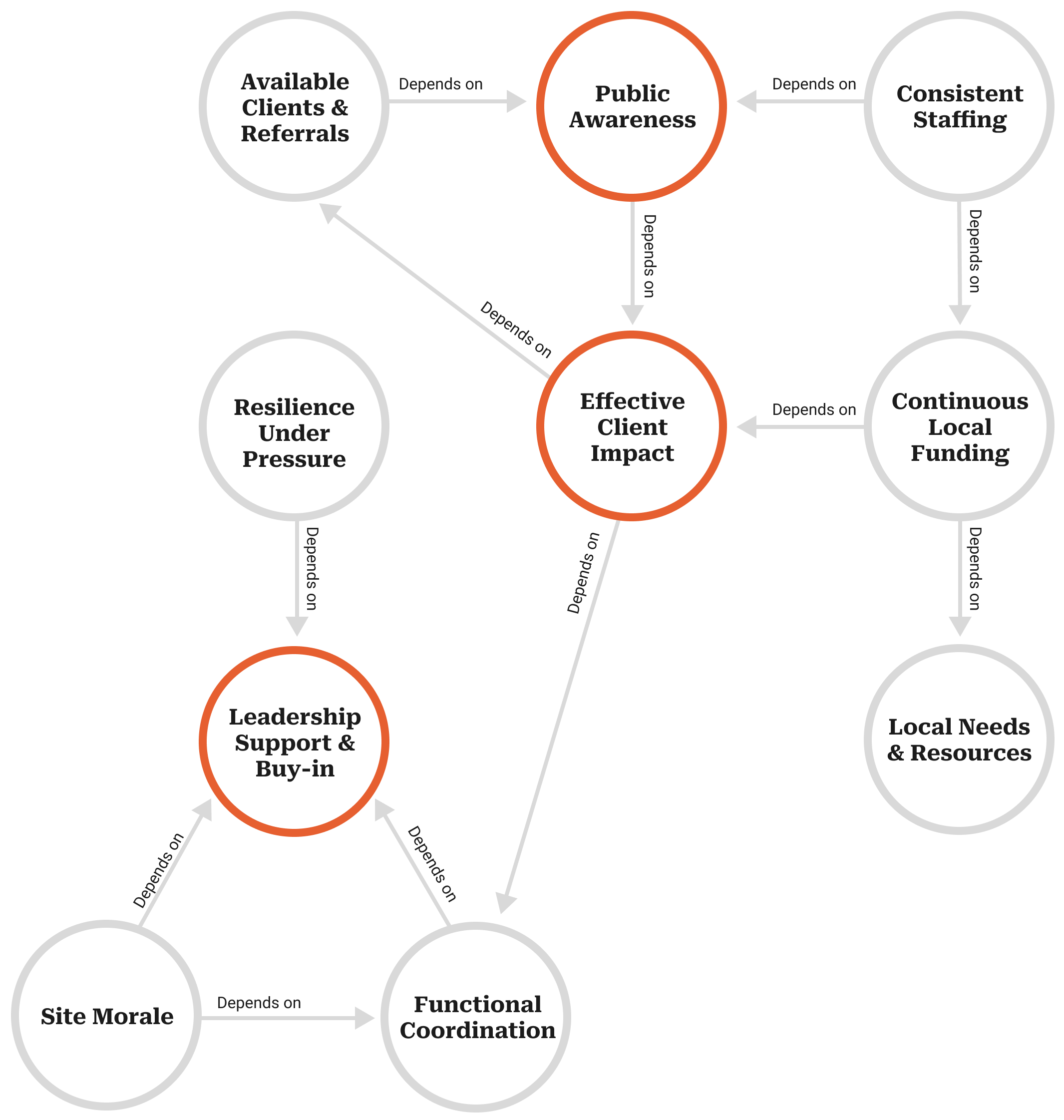
Critical nodes in the system
Within every system, interconnections exist among various elements (such as objects, people, and ideas). We mapped the key dependencies and identified critical hot-spots within the CAPABLE system:
- Leadership support & buy-in is critical to the sites' success
- Strong evidence of effective client impact supports the program in securing funding and recruitment
- Public awareness is crucial to recruit both staff and clients
Activating the insights
How might we enable the program to grow without losing the essence of what makes it work?
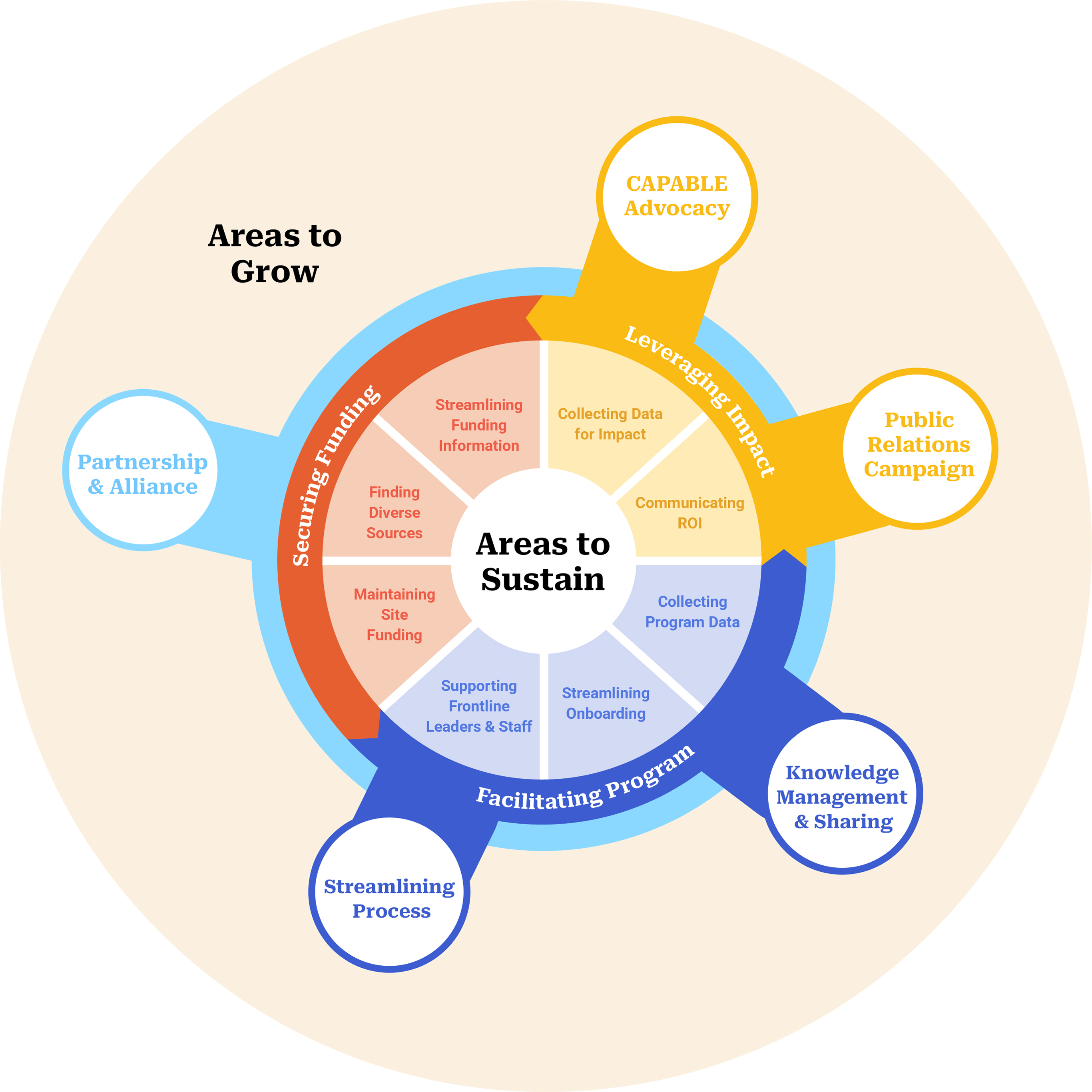
Opportunity Area Model
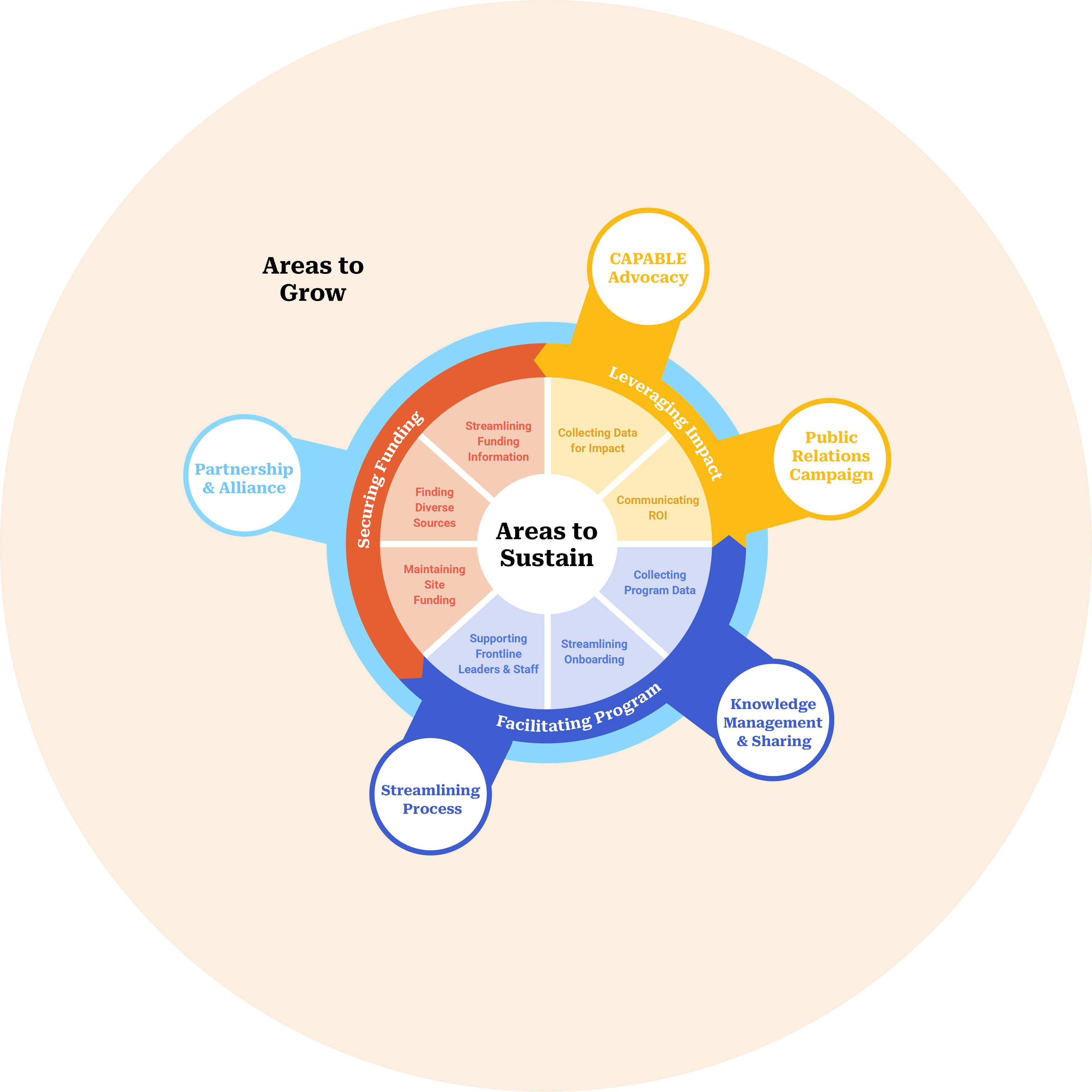
This opportunity model lays a foundation and highlights 8 strategic areas where design has the potential to create a meaningful impact and invite solution exploration. The areas are categorized as Areas to Sustain and Areas to Grow.
Grounding insights in concepts
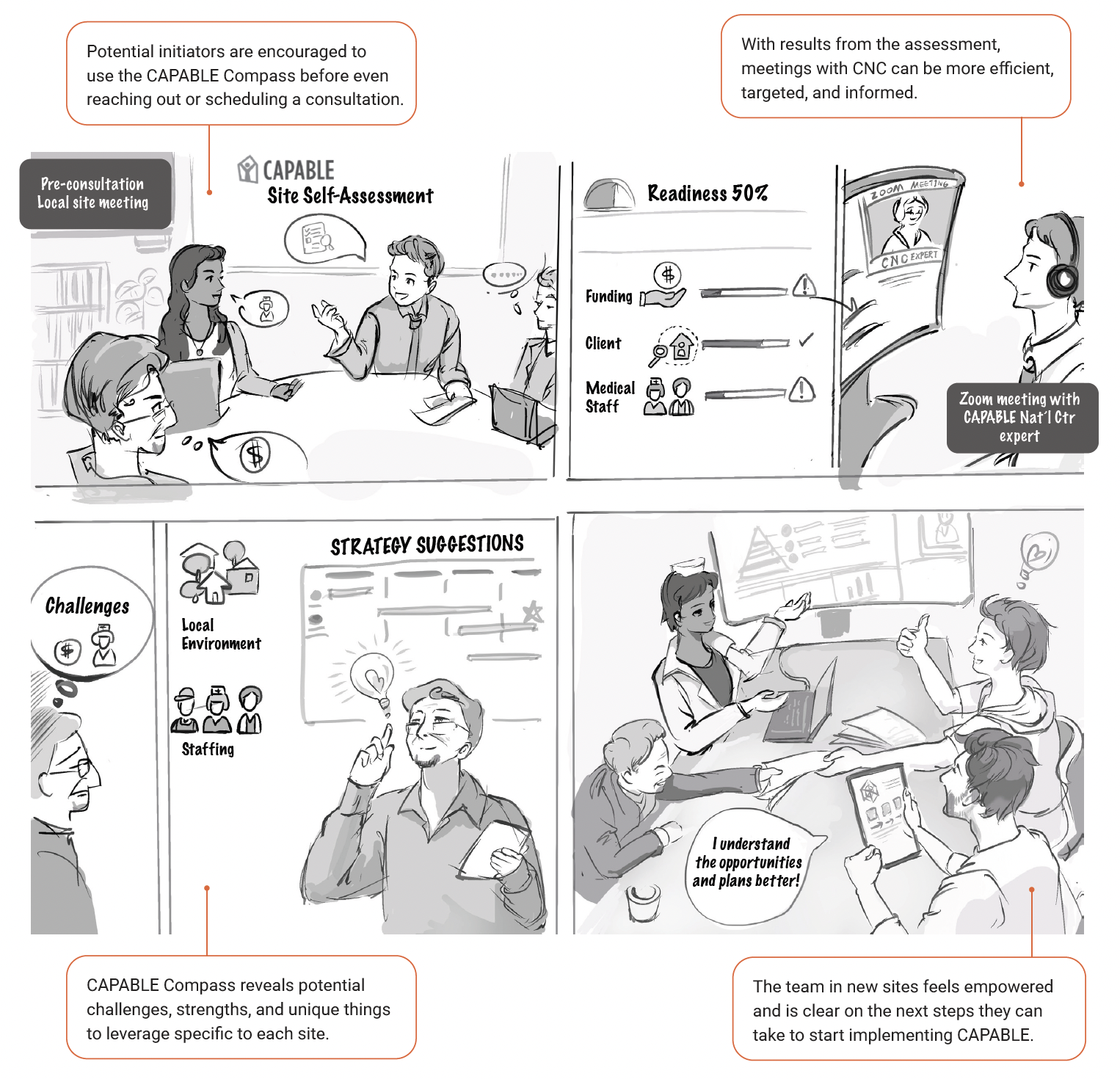
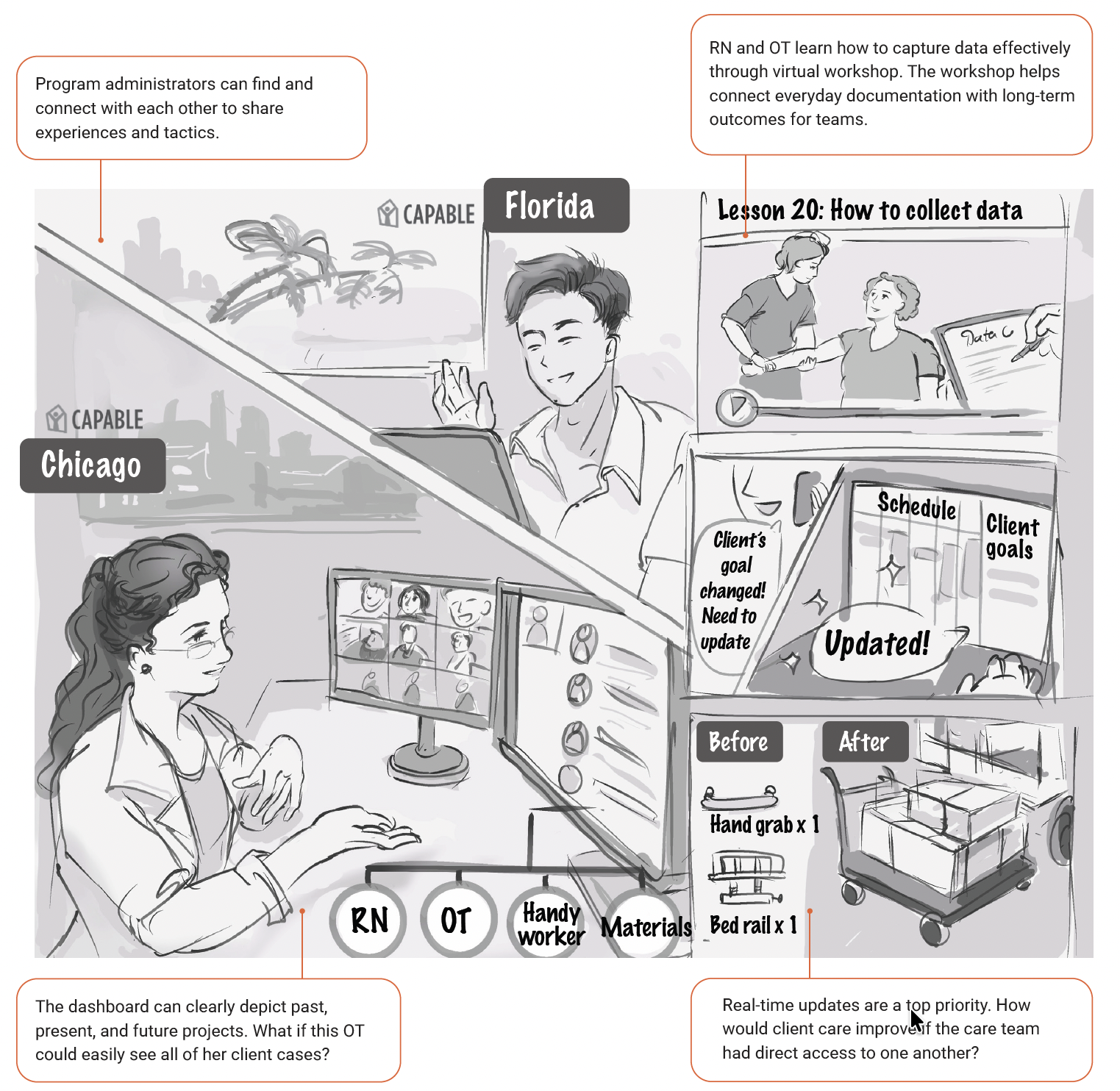
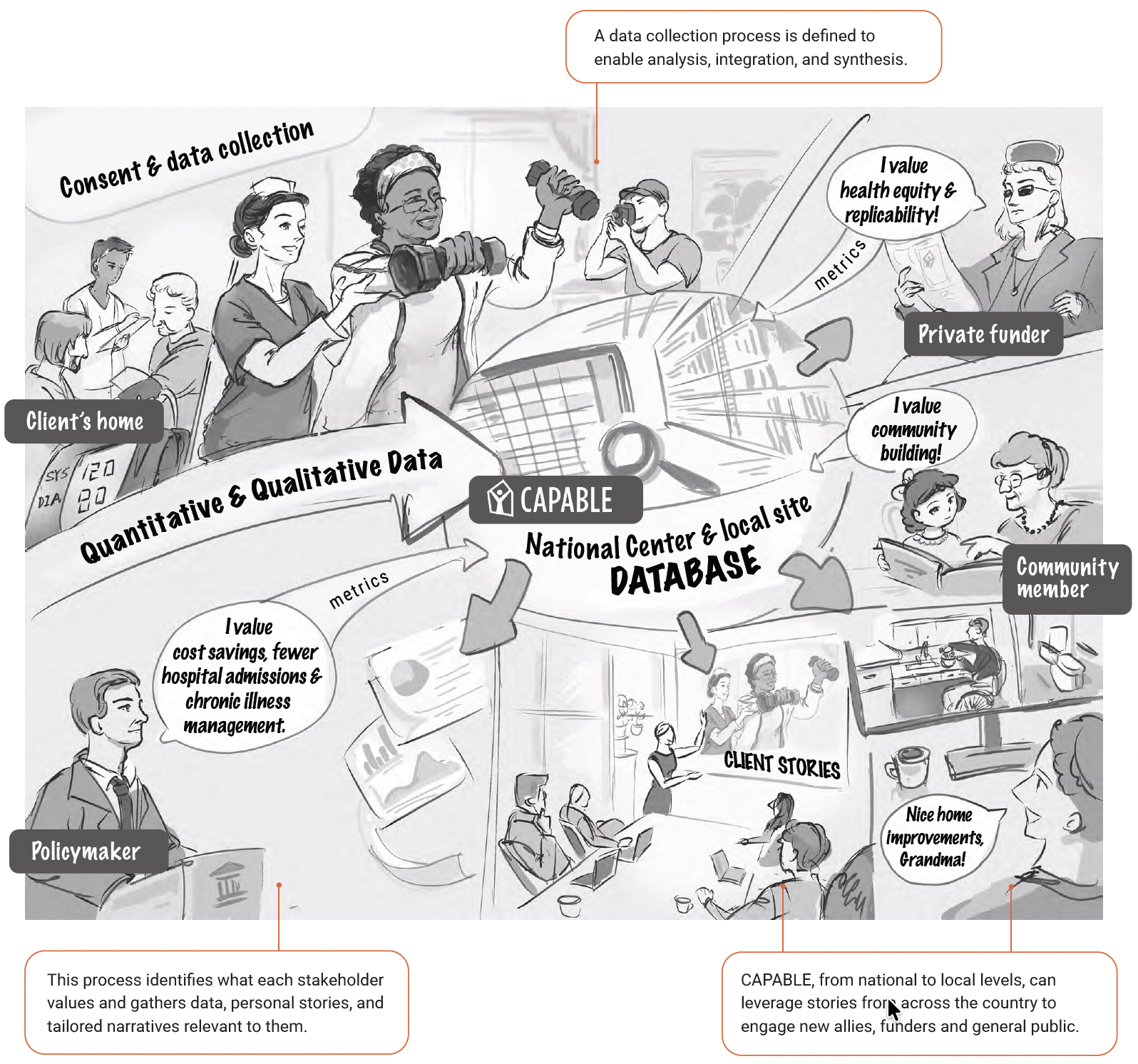
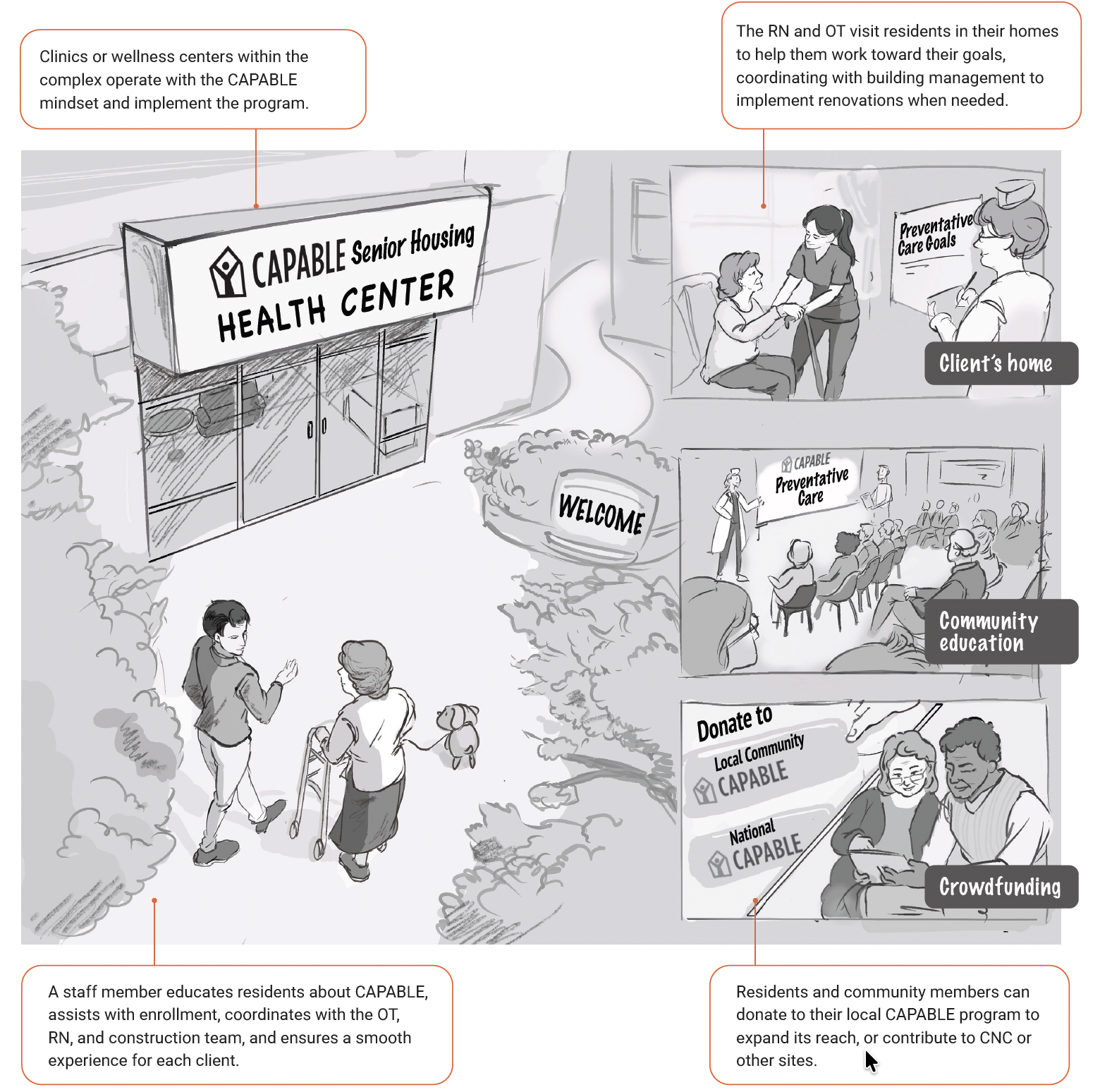
At a glance
Offering
An assessment platform that allows sites to assess their current resources, understand their readiness, and receive tailored recommendations and guidance from CAPABLE representatives.
Users
CAPABLE Representatives (e.g., Implementation Director) and new CAPABLE initiators who need assistance with their implementation and launch strategy.
Value created
The assessment provides a clear understanding of the current state, allowing for personalized recommendations from CAPABLE representatives. The platform may include digital forms, reports, and consultation scheduling with a CAPABLE representative.
Operations
Develop a platform that guides users from the assessment phase to the recommendation phase. The platform may include digital forms, reports, and consultation scheduling feature with a CAPABLE representative.
Offering
A project and data management dashboard where CAPABLE sites can utilize best practices for task automation, monitoring, budgeting, and live project assessments, with the ability to connect with other sites.
Users
CAPABLE National Center, sites, and individual staff including program administrators, registered nurses, occupational therapists, and handypersons.
Value created
The dashboard streamlines processes and offloads work for program administrators by clarifying complex projects, increasing operational efficiency, and automating documentation.
Operations
Define KPIs and relevant data capture. Evaluate existing project management practices for recommendations. Engage in co-design with CNC and sites to determine key criteria for needs and usability.
Conclusion
These concepts serve as catalysts for ideation designed to stimulate fresh perspectives on how CAPABLE might expand while preserving its core values. They invite stakeholders to envision new possibilities for growth.
As the aging population grows, the importance of programs like CAPABLE becomes increasingly critical. To conclude this project we designed a report that contributes to a broader movement reframing aging not as a decline to be managed, but as a stage of life supported through care, community, and creative systems thinking.
Read the full report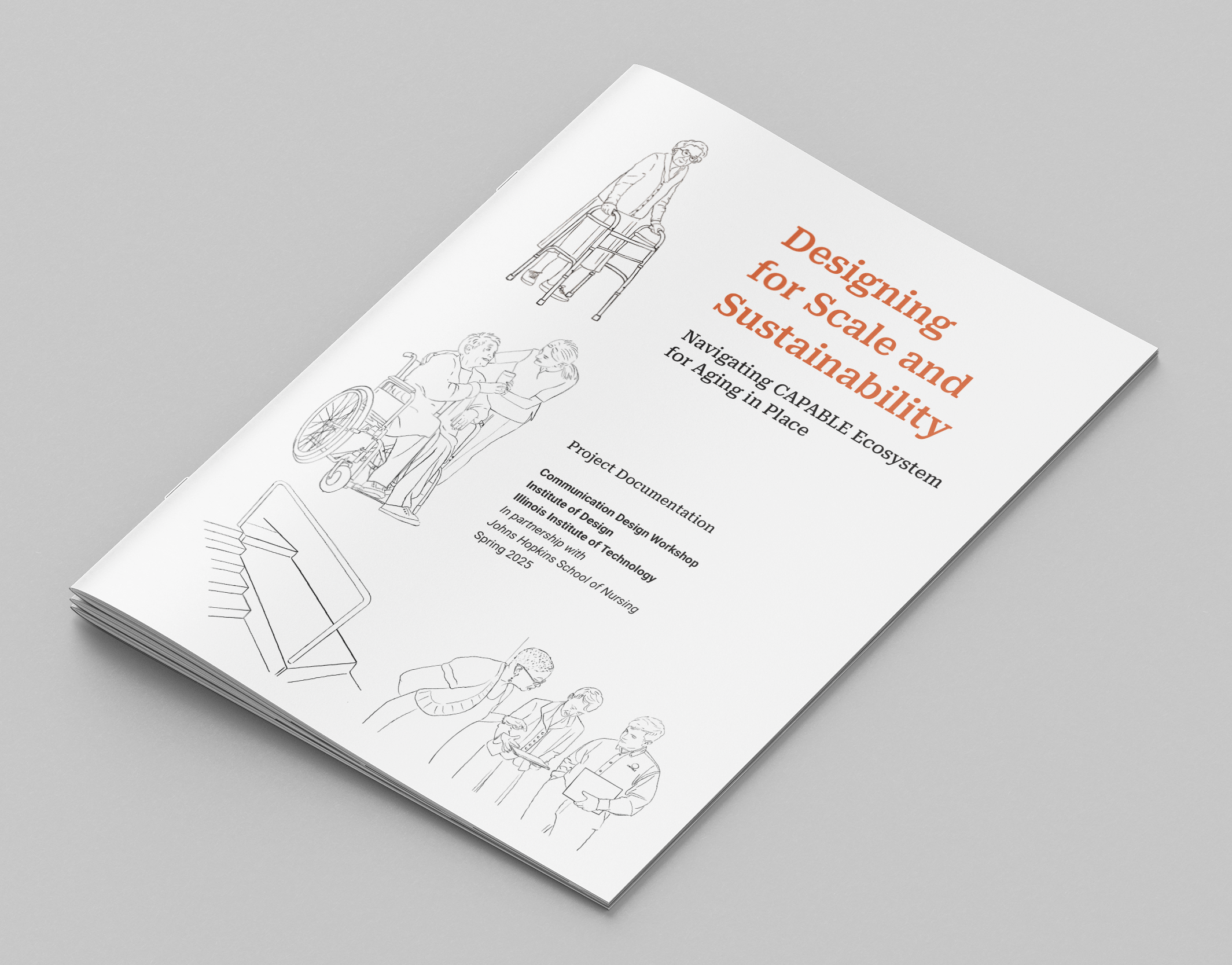
Reflections
Content coming soon.
View other projects
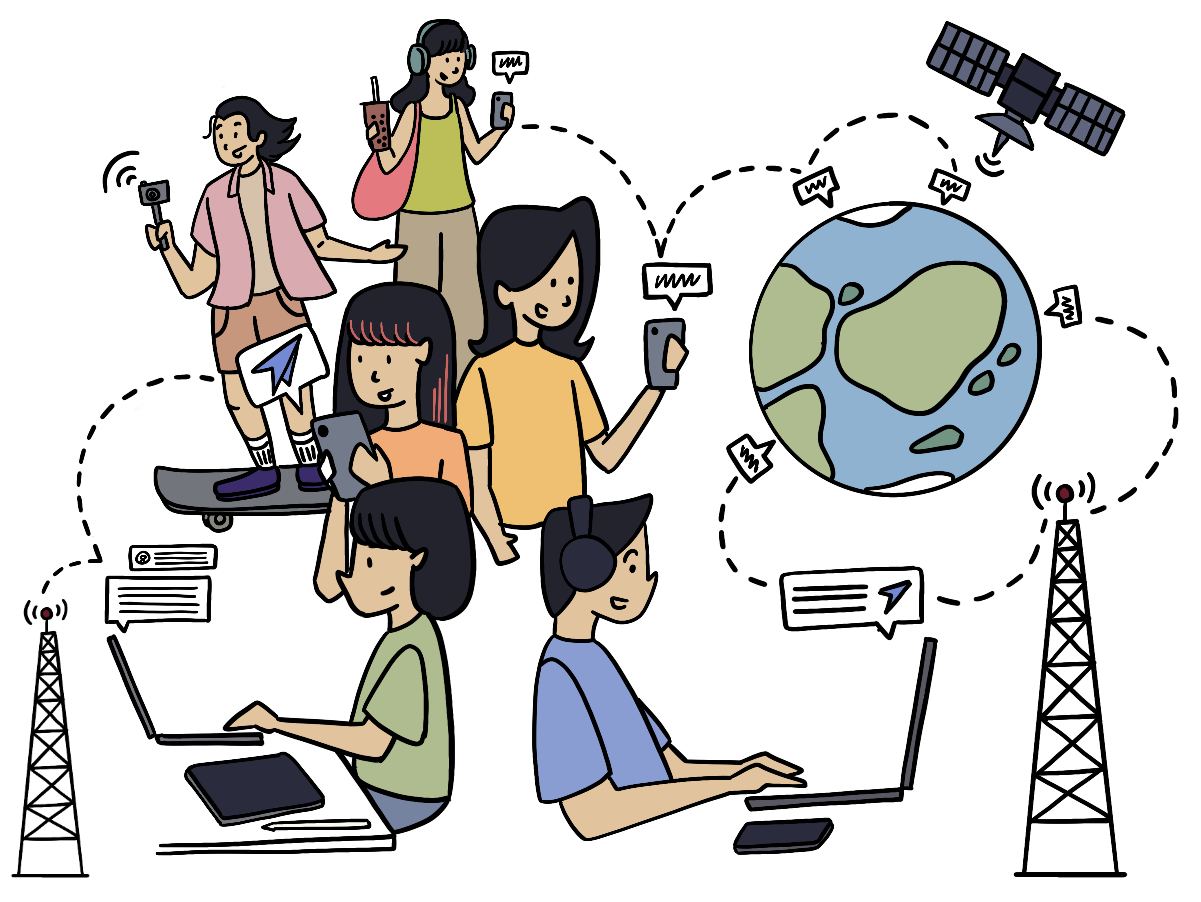
Re-imagining Tele-comm services for Taiwanese Gen Z
A six-week design investigation into Taiwanese Gen Z's digital behaviors and needs to help FarEasTone create a meaningful connection with this coming of age, digital-native generation.
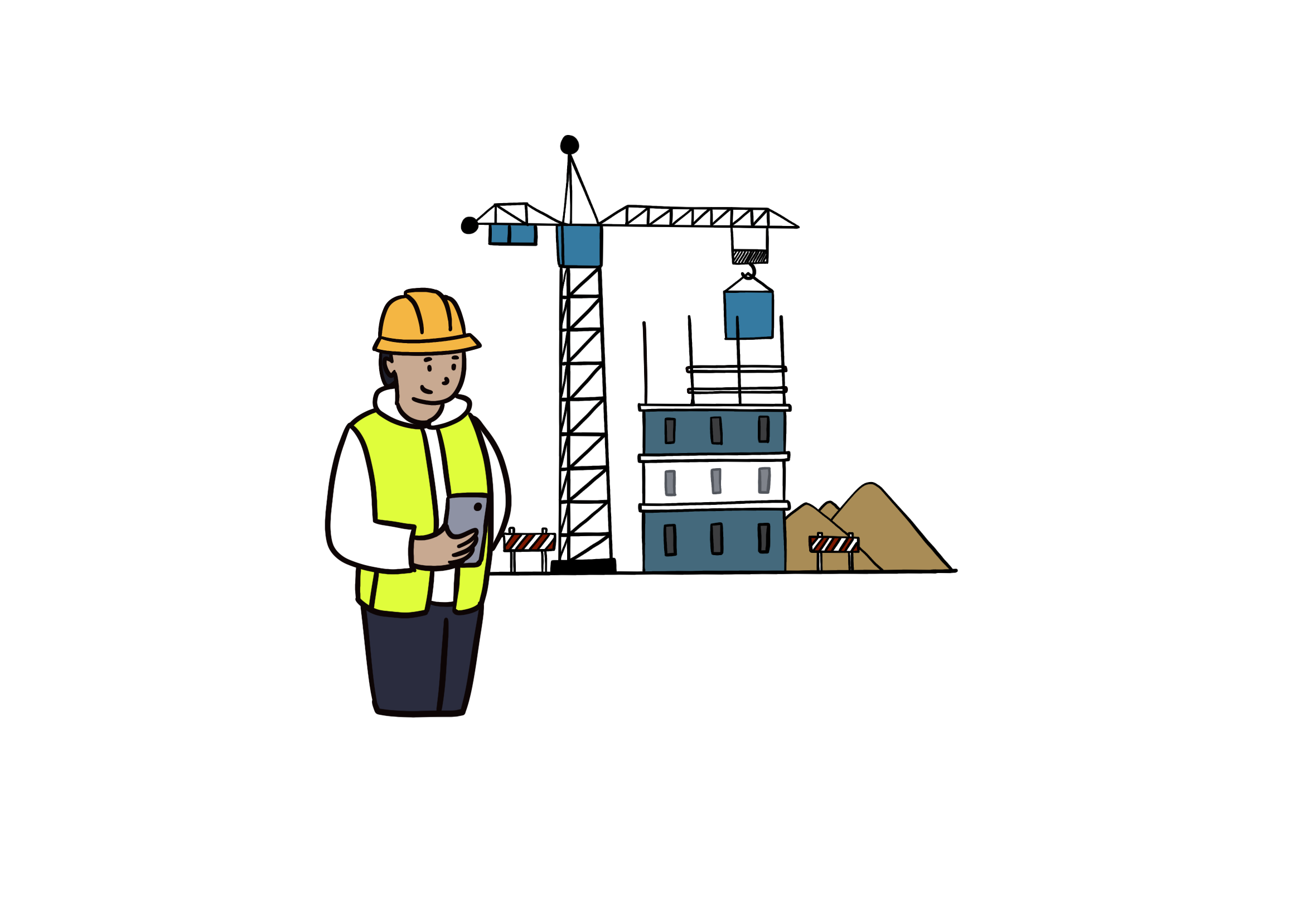
From All-or-Nothing to Selective Control
Redesigning download workflows for a construction tech platform that gives field workers control over device storage without interrupting work on site.